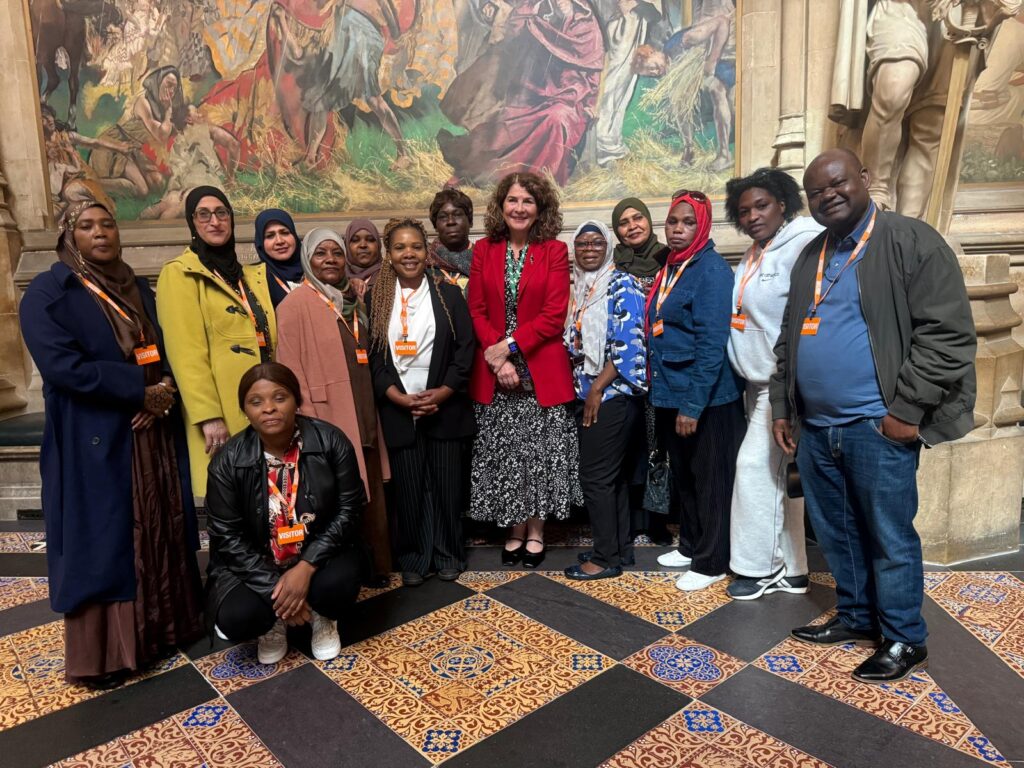
On 9th September 2026, Bora Shabaa organised a trip for a group of our community members to visit the Houses of Parliament in London. The visit offered these women an opportunity to explore one of the country’s most important institutions, learn more about how democracy works, and speak directly with Dame Diana Johnson MP about issues affecting refugees and local communities.
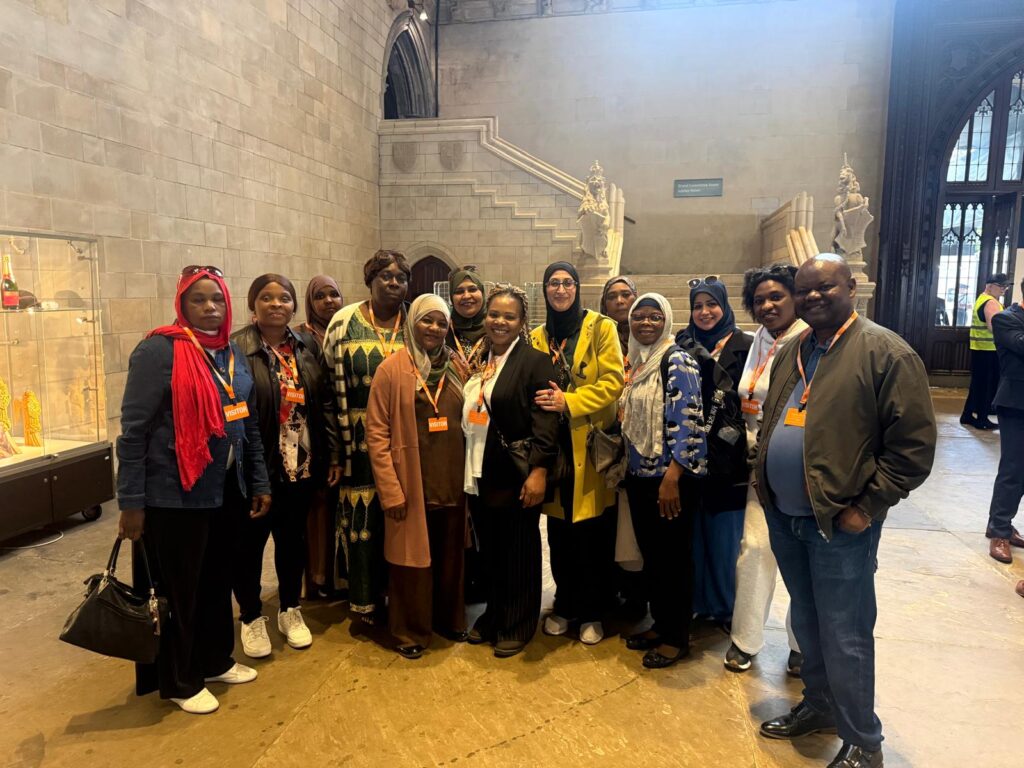
For several members of the group, this was their first visit to Parliament! For some, this was their first opportunity to see places in person they had previously only seen in books or while preparing for British citizenship.
The group toured the Palace of Westminster, including Westminster Hall, the House of Commons and the House of Lords. They learned about the history of the old Palace of Westminster, the fire of 1834, and the construction of the building that stands today. Seeing the historic rooms in which national debates and decisions take place helped to bring British history and civic education to life.
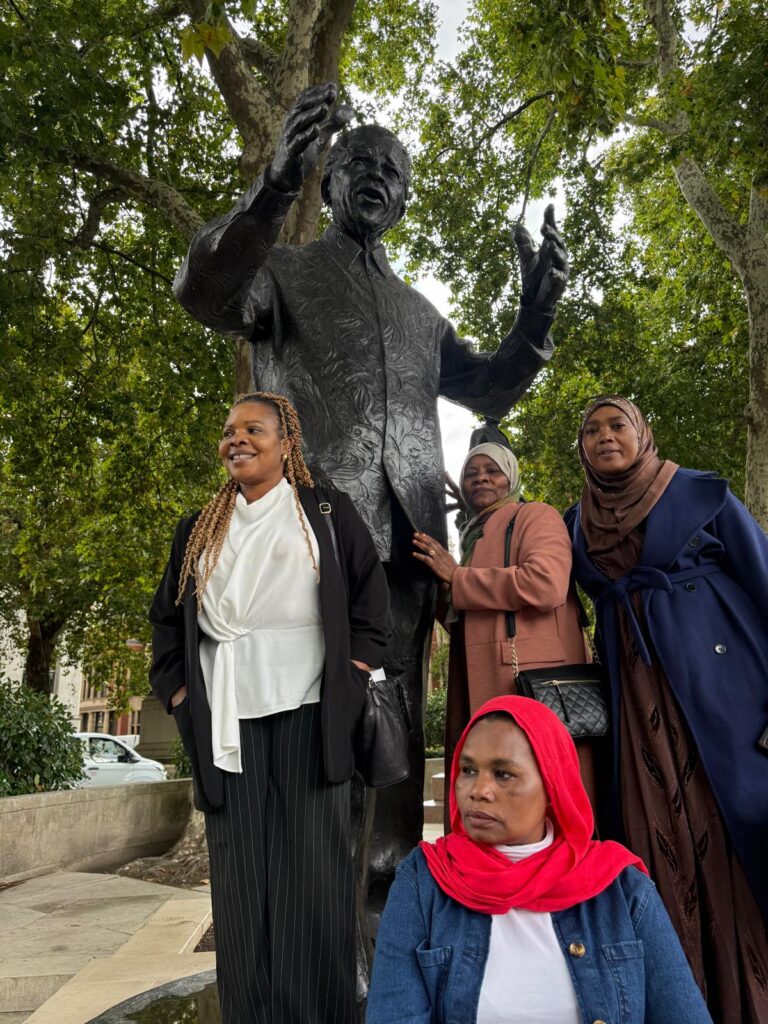
The women also saw New Dawn, the artwork celebrating the campaign for women’s right to vote, and visited well-known London landmarks including Big Ben, Westminster Abbey and the statue of Nelson Mandela in Parliament Square.
Asking questions and making women’s voices heard
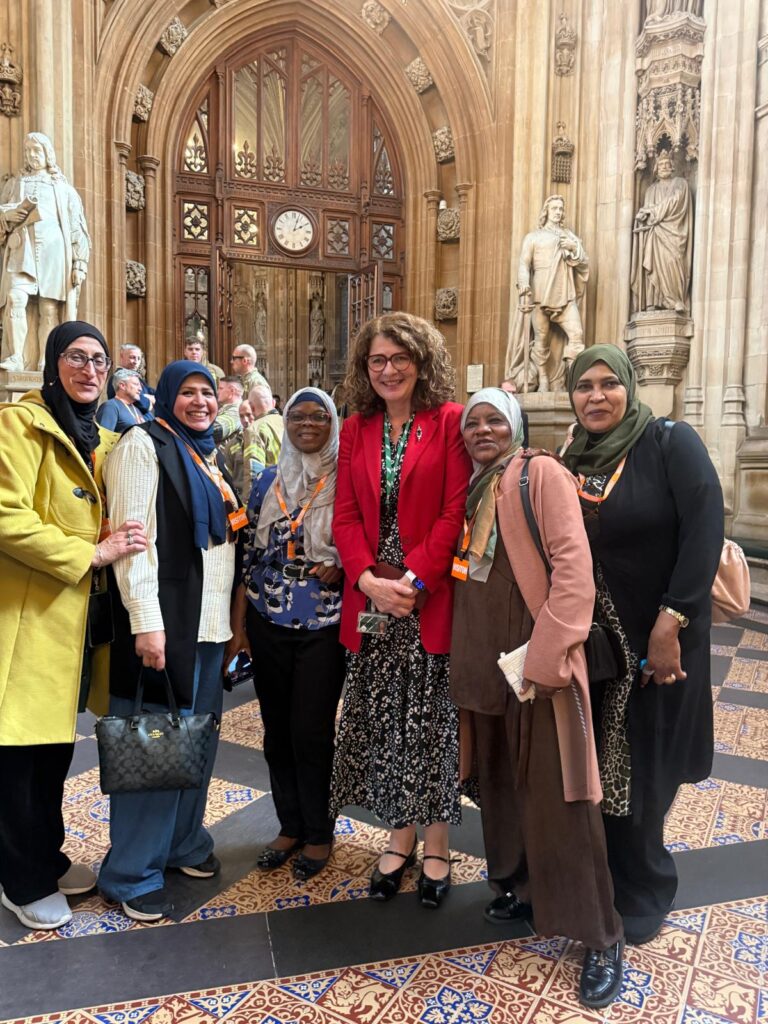
A highlight of the day was meeting Dame Diana Johnson. The women from our group were warmly welcomed and had the opportunity to ask questions about matters that were important to them, including:
- How the voices of different communities in Hull are heard
- What improvements are needed in services supporting refugees
- How people with lived experience can influence decisions
- What support is available to refugees rebuilding their lives in Hull
- How community organisations such as Bora Shabaa can be better supported
- How organisations and elected representatives can work together to improve community wellbeing
The group also learned more about the work of a Member of Parliament and why MPs have both a parliamentary office at Westminster and a constituency office serving people in their local area. This helped participants better understand the connection between Parliament, elected representatives and the communities they serve.
Opening doors through digital inclusion
Many of the women who took part were members of Bora Shabaa’s Digital Inclusion Programme. The visit demonstrated that digital inclusion is about much more than learning how to use computers and technology. It can open doors to education, new experiences, civic participation and greater involvement in community life.
One Bora Shabaa volunteer reflected that the visit connected closely with the organisation’s wider work to promote learning, inclusion and confidence, and to empower children and adults to participate more actively in society.
The experience encouraged the women to enter a space that may previously have felt distant or inaccessible, ask questions and recognise that their experiences and opinions matter. By taking part together, they supported one another and represented their community with confidence, dignity and strength.
In the women’s own words
The women’s reflections show that the visit was much more than a day trip. It created a sense of belonging, strengthened confidence and made Parliament feel more accessible.
One participant, who had previously learned about Parliament while preparing for British citizenship, reflected:
“I have lived in Britain for years but never had the chance to visit the British Parliament. Thanks to you, I was able to see and witness the places I had read about.”
She added:
“We were also pleased to meet Dame Diana Johnson, who kindly gave us some of her time. Taking photos with her created a lasting memory.”
Another participant described how visiting Parliament brought history and democracy to life:
“It was amazing to see the historic rooms and surroundings where important discussions and decisions affecting the country have taken place. It helped to bring history and civic education to life, rather than simply reading about them in books.”
Reflecting on the connection between Parliament and local communities, she explained:
“The visit was not just about seeing a famous building. It was about understanding how our democratic system works, appreciating the history behind Parliament and seeing how people can become involved in their communities.”
The visit was especially meaningful for members of Bora Shabaa’s Digital Inclusion Programme:
“Digital inclusion is not only about learning how to use computers or technology; it can also open doors to education, opportunities, participation and wider community engagement.”
Other participants spoke warmly about the care they received and the memories they made together:
“We had a wonderful time and an unforgettable experience. We visited different places and learned a lot about Parliament.”
“Thank you for everything you have done for us. We had a wonderful time in London. We have fantastic memories that we will never forget.”
The women also hoped that others would be given similar opportunities:
“If given another chance in the future, I would encourage everyone to take part.”
The women also spoke warmly about travelling and sharing the day as a group, enjoying a meal together and creating lasting memories. Several said they hoped that Bora Shabaa would organise similar opportunities in the future.
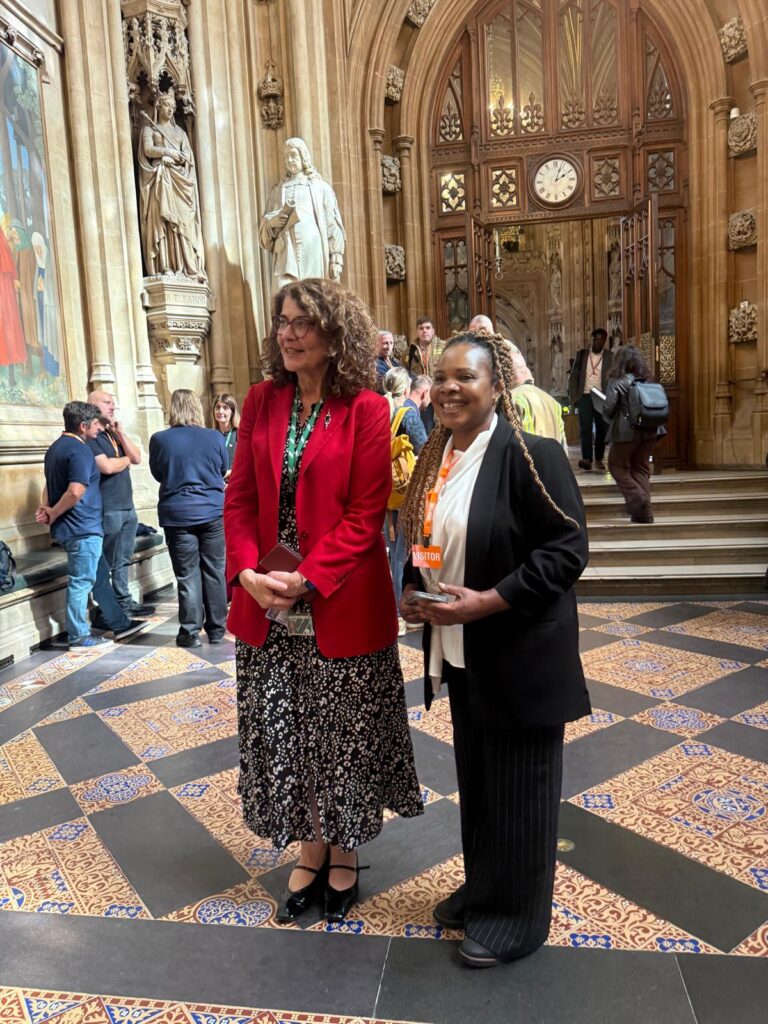
Bora Shabaa would like to thank Dame Diana Johnson for giving her time to meet the group, everyone who helped to organise the visit and, most importantly, all the women who participated so thoughtfully and enthusiastically.
The visit was more than a tour of a historic building. It was an opportunity to learn, to speak up and to see that refugee women have an important place in the civic and community life of Hull and the wider United Kingdom.